Tested. Challenged. Always Improving.
In defense manufacturing, standing still is not an option.
Requirements evolve. Technology advances. Customer expectations grow. The missions we support become more complex. To keep up, improvement cannot be something that happens once a year or only when a problem arises. It has to be part of how you operate every single day.
We believe continuous improvement means constantly asking ourselves one question:
How can we be better tomorrow than we are today?
That question applies to more than the products leaving our facility. It influences how we develop our people, strengthen our quality processes, invest in our equipment and facilities, and set the standards we expect ourselves to meet.
Investing in the People Behind the Work
Machines, technology, and facilities provide capability, but skilled people are what turn that capability into results.
That is why part of continuous improvement is giving our employees opportunities to test what they know, strengthen their skills, and take on new challenges.
Recently, several members of our welding team have been doing exactly that.
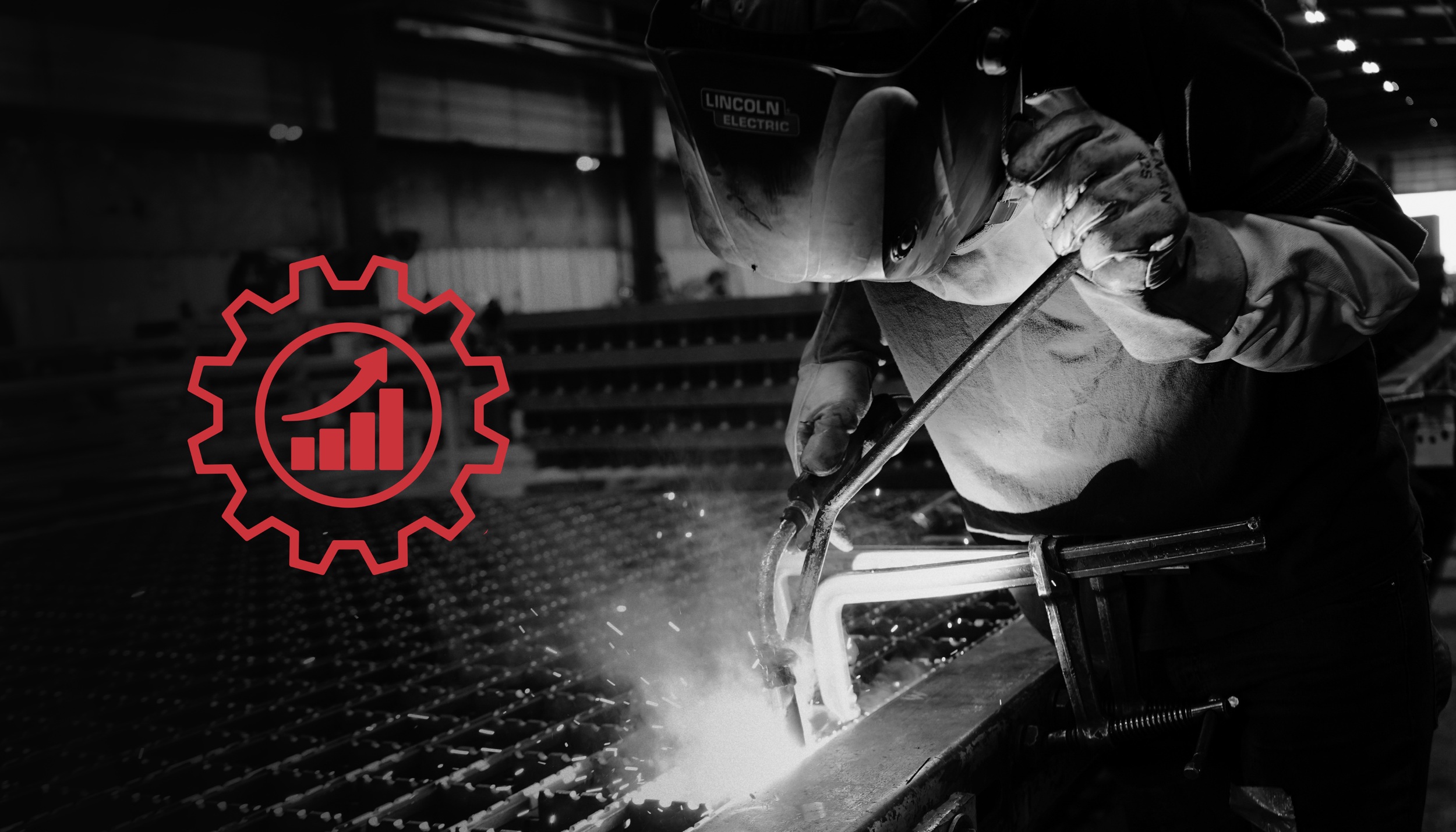
Our welders have been putting their skills to the test through AWS D1.1 4140 steel pipe-to-pipe weld performance qualification (PQR). This process itself represents something important about how we approach development and continued career growth.
We don't want our people to stop at what they already know.
We want them to practice, test, learn, ask questions, and continue expanding what they're capable of doing.
Experience will always matter in manufacturing. But even decades of experience shouldn't mean there is nothing left to learn.
When our people grow, our capabilities grow with them.
Investing in Where We Work
We are continually evaluating our facilities, equipment, technology, and processes to determine where we can become more efficient, more capable, and better prepared for what comes next.
An investment in a facility is also an investment in the people working inside of it.
Better tools can create better opportunities. New technology can expand capabilities. Improved processes can help teams work more effectively. Additional resources can give skilled employees what they need to take on increasingly demanding work.
And as our people develop new skills and qualifications, we have to make sure the facility around them is developing too.
Our people and our capabilities shouldn't grow separately.
They should push each other forward.
Today's Standard Isn't Tomorrow's Goal
One of the biggest parts of continuous improvement is recognizing that yesterday's definition of success does not have to be tomorrow's.
We are constantly redefining our goals and raising the standards we set for ourselves.
That means looking at what went well and asking how we can make it even better. It means learning from difficult jobs instead of simply moving on to the next one. It means being willing to change a process, make an investment, develop a new skill, test a new capability, or set a higher expectation.
There is always another level to reach.
In an industry where quality, precision, reliability, and accountability matter, becoming too comfortable with where you are can quickly become a limitation.
We would rather keep moving forward.
Improvement Happens Every Day
Continuous improvement is not always one major change.
Sometimes it's a new piece of equipment.
Sometimes it's a welder preparing for another performance test.
Sometimes it's expanding into a different material or process.
A team finding a more efficient way to complete a job, or an employee recognizing that the way something has always been done may not be the best way to do it tomorrow.
Individually, those moments may not seem significant.
Together, they change what a team—and an entire facility—is capable of doing.
Building for What's Next
Critical Defense continues to grow, evolve, and challenge what we are capable of.
The testing happening with our welders is one example. The improvements happening throughout our shop are another. Behind the scenes, we're continuing to evaluate our equipment, our facility, our processes, our quality systems, and the capabilities we'll need for the work ahead.
Our goals are getting bigger.
Our standards are getting higher.
And we're making sure our people and our facility are prepared to rise with them.
We aren't interested in simply maintaining what we've already built.
We're building what comes next.
And right now, we're preparing for another step forward.
We can't share everything just yet, but we can tell you this:
Something big is coming to Critical Defense.
Stay tuned.
