When conversations turn to national strength, the focus often lands on technology, innovation, or policy. Rarely does the spotlight fall on the people who physically build the components that power those systems. Yet behind every advanced defense platform, infrastructure project, and precision assembly is a skilled trades professional who machines, welds, inspects, fabricates, and verifies the work that makes performance possible.
Skilled trades are not simply jobs. They are capabilities. And capabilities are assets.
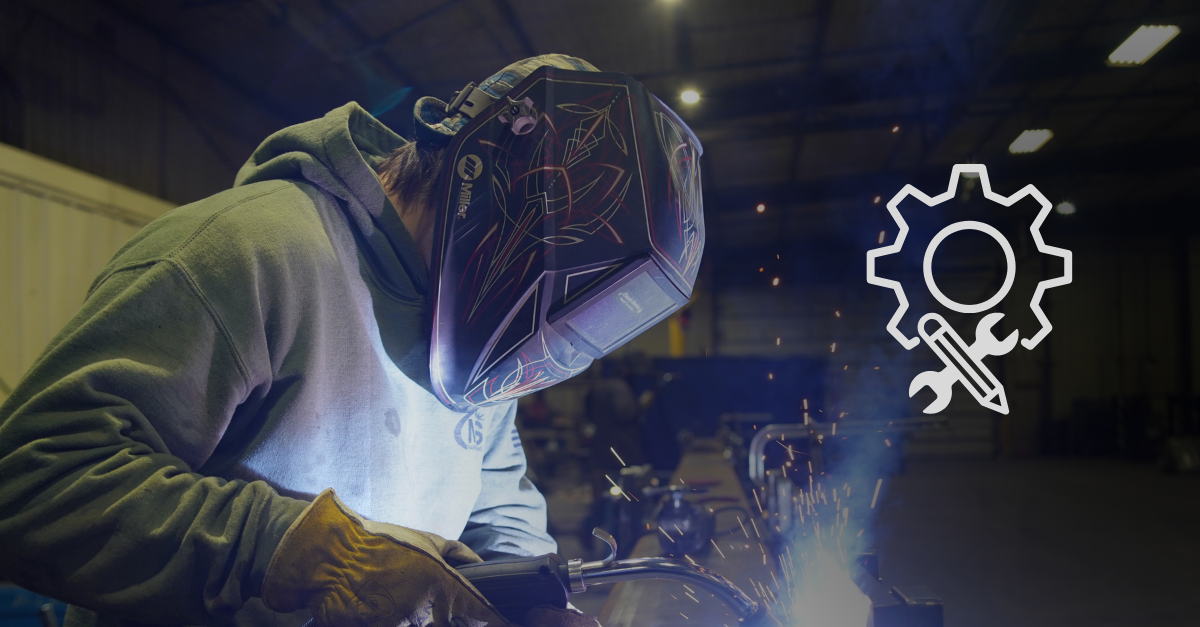
Modern manufacturing is highly technical and deeply intellectual. It requires blueprint interpretation, geometric tolerance analysis, material science knowledge, precision measurement, CNC programming, certified welding procedures, and disciplined documentation control. A machinist holding tolerances within thousandths of an inch is not merely operating a machine; they are applying physics, geometry, and process control in real time. A welder managing heat input on structural components is not simply joining metal; they are protecting structural integrity and long-term reliability. A quality technician verifying traceability is safeguarding accountability and system performance.
These contributions are not abstract. They directly support readiness, supply chain stability, and industrial resilience.
In mission-critical sectors, domestic capability matters. When skilled trades are strong within our own manufacturing base, lead times shorten, oversight improves, response times increase, and institutional knowledge remains internal. When that skilled workforce weakens, capability weakens with it. Equipment can be purchased and components can be sourced globally, but generational experience cannot be replaced overnight. Skill is developed over time through mentorship, repetition, discipline, and ownership. Once lost, it is not easily rebuilt.
This is why skilled trades should be understood as strategic infrastructure. Just as roads, energy grids, and communication systems support national strength, so too does a capable, disciplined workforce that can execute precision manufacturing consistently and reliably.
Across the country, manufacturers are facing a skilled labor shortage. Experienced professionals are retiring at increasing rates, and fewer young individuals are entering hands-on technical careers. At the same time, demand for precision manufacturing continues to grow. This is not merely an employment challenge; it is a capability challenge. If we value domestic manufacturing strength, defense readiness, and resilient supply chains, we must value the professionals who physically produce and verify mission-critical components.
For too long, skilled trades have been framed as alternatives rather than primary career paths. That narrative no longer reflects reality. Today’s trade professionals operate advanced equipment, interpret complex engineering documentation, and work within structured quality management systems. These careers require discipline, technical skill, continuous learning, and accountability. They offer stability, growth, leadership pathways, and tangible impact.
Technology enhances manufacturing performance, but it does not replace expertise. A highly skilled workforce can identify risk before defects occur, improve processes continuously, maintain documentation integrity, and uphold standards under pressure. Without skill, equipment becomes underutilized potential. With skill, it becomes strategic advantage.
In manufacturing communities across Pennsylvania and throughout the United States, skilled trades professionals quietly protect capability every day. They train apprentices, pass down knowledge, and uphold standards that ensure reliability and performance. Their work strengthens not only individual companies, but the broader industrial ecosystem that supports national readiness.
National strength is not theoretical. It is manufactured.
And it begins with skilled hands guided by disciplined minds.
